Best Country for Students: Pakistan vs India 2024
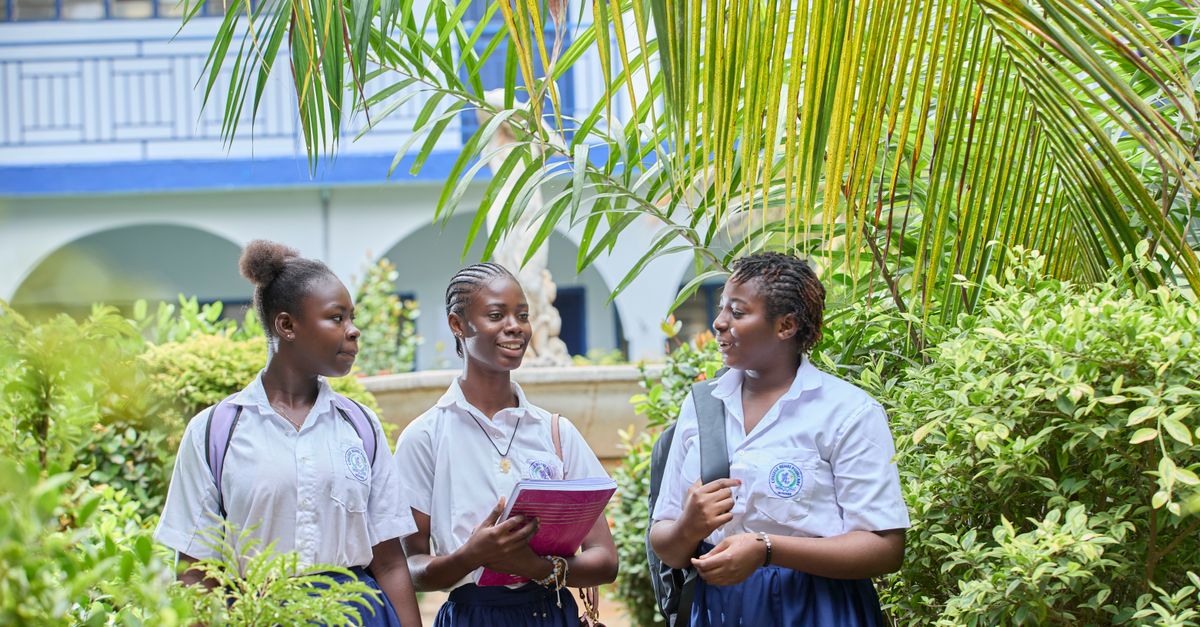
There’s no single answer to best country for students Pakistan or India — it depends entirely on who you are, what you study, your budget, and what kind of experience you’re after. In 2024, both countries offer strong academic traditions, growing tech ecosystems, and deeply rooted cultures — but they differ sharply in affordability, infrastructure, language access, and post-graduation pathways. We’ll break it down without hype or bias — just real trade-offs students face today.
Tuition & Living Costs: Where Your Rupees Go Farther
Let’s start with money — because it shapes almost everything else. Public universities in Pakistan charge under PKR 30,000/year for most undergrad programs (roughly $100–$150 USD), while private ones range from PKR 200,000 to PKR 600,000 ($700–$2,100). In contrast, Indian government colleges like Delhi University or JNU ask INR 5,000–INR 25,000 annually ($60–$300), but private institutions — especially in engineering or medicine — can hit INR 5–15 lakhs ($6,000–$18,000) per year. Rent, food, and transport are also significantly cheaper in smaller Pakistani cities like Faisalabad or Multan than in Mumbai or Bangalore. That said, Indian metros offer more part-time work options for international students — something still limited in Pakistan due to visa restrictions. So if budget is your top priority, Pakistan often wins on paper — but only if you don’t need flexible income streams during studies.
Academic Quality & Global Recognition
India has over 1,000 universities, including globally ranked ones like IITs, IISc, and TIFR — especially strong in STEM, management, and research output. Many Indian degrees are widely accepted abroad, and English is used consistently in instruction across top-tier institutions. Pakistan’s top schools — LUMS, NUST, and Aga Khan University — hold solid regional reputations and strong industry ties, particularly in IT, health sciences, and social development. But accreditation gaps remain: not all Pakistani programs are recognized by bodies like ABET or AACSB, and fewer faculty hold PhDs from globally ranked institutions. Still, for disciplines like Islamic studies, South Asian history, or public health policy, Pakistan offers unique field access and mentorship. So when asking best country for students Pakistan or India, consider your field — global STEM? Lean Indian. Context-rich humanities or community-based research? Pakistan may surprise you.
Safety, Daily Life & Campus Culture
Campus life in India tends to be louder, more politically active, and socially diverse — with student unions, festivals, and internships woven into the rhythm of term time. Most major universities have 24/7 libraries, hostels with Wi-Fi, and shuttle services. In Pakistan, campuses like LUMS or NUST feel more contained and secure — often gated, with strict ID checks and gender-segregated spaces in some institutions. While violent crime on campus is rare in both countries, petty harassment and mobility constraints (especially for women) vary widely by city and institution. Lahore and Islamabad are generally safer and more student-friendly than Karachi or Hyderabad (India). Language also plays a quiet role: Hindi-speaking students adapt faster in North India; Urdu speakers find comfort in Lahore or Peshawar. Neither country is uniformly ‘easy’ — but daily logistics matter more than brochures suggest.
Work Opportunities & Post-Study Pathways
This is where things get real. India allows international students to work part-time (up to 20 hrs/week) during studies and offers 1-year post-study work visas for select graduates — though processing is inconsistent and employer sponsorship remains tricky. Pakistan currently doesn’t issue student work permits at all, and its job market for fresh grads is tight — especially outside IT and teaching. That said, Pakistani startups in fintech and edtech are quietly hiring bilingual grads (Urdu + English), and NGOs frequently recruit locally trained researchers. If you plan to stay and build a career right after graduation, India offers more structured entry points — especially in Bangalore, Pune, or Hyderabad. But if your goal is to return home or work regionally (e.g., Afghanistan, Central Asia), a Pakistani degree might carry stronger contextual weight. So again — best country for students Pakistan or India isn’t about rankings. It’s about where your next five years actually land.
Frequently asked questions
Can international students work while studying in Pakistan?
No — Pakistan does not permit international students to take up paid employment during their studies. Some universities offer limited on-campus assistantships, but these are rare and rarely paid.
Are Indian degrees accepted in Pakistan for further studies or jobs?
Yes, most Indian degrees from UGC-recognized universities are accepted in Pakistan, especially in engineering, medicine, and business. However, professional councils like PM&DC or PEC may require equivalence verification.
Is English enough to study in either country?
In top universities across both nations, yes — English is the primary medium of instruction. But outside elite institutions, regional languages dominate classrooms, administration, and daily interaction — especially in smaller Indian towns or Pakistani provincial cities.
Which country offers better scholarships for international students?
India offers more formal scholarship programs — like ICCR, GIAN, and university-specific awards — with clearer application cycles. Pakistan’s HEC scholarships are generous but mostly reserved for Pakistani nationals or diaspora students.